

Frozen Foundations: The Invisible Force Destroying Your Basement This Winter
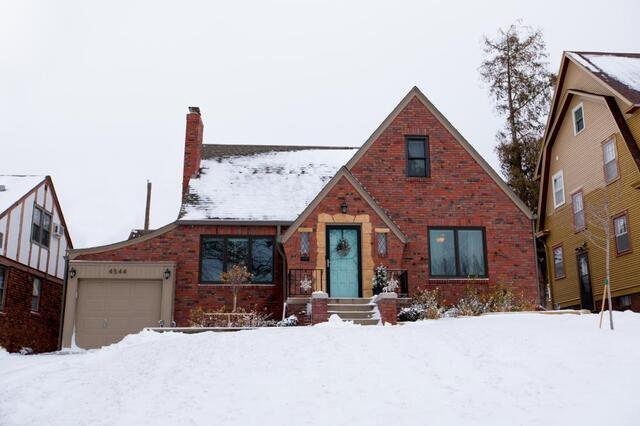
When winter hits, everyone worries about burst pipes. But there's a quieter, more powerful enemy at work right under your home: the freeze-thaw cycle. If you live where the ground freezes, this cycle is silently pushing your small foundation problems into major, expensive disasters.
What is the Freeze-Thaw Cycle?
It's simply the constant freezing and melting of water in and around your homes foundation. It happens every time the temperature goes up and down around the freezing mark.
The Power of Freezing Water
Here is a key fact: When liquid water turns to ice, it grows by about 9%. Imagine Taking a water bottle, filling it completely, and screwing the lid on tight. When you put it in the freezer, it bursts because it needs more room. The same powerful pressure is happening inside the tiny cracks of your concrete foundation.
3 Ways Winter Ice Ruins Your Foundation
This constant freezing and melting attacks your foundation in three main ways:
1. It Turns Small Cracks into Big Leaks (The Pothole Effect)
You know how small cracks into the road turn into massive potholes after winter? The same thing happens to your basement walls.
- Step 1 (The Crack Fills): Snow melts or rain falls, and the water seeps into the tiny cracks already in your concrete.
- Step 2 (The Freeze): The temperature drops, and the water turns into ice. This ice expands acting like a tiny wedge or lever, making the crack wider.
- Step 3 (The Melt): The ice melts, leaving a bigger space for even more water to fill up next time.
This cycle repeats all winter, and by spring, that hairline crack you ignored can be wide enough to let in a stream of water.
2. The Ground Pushes Back (Frost Heave)
Your foundation is surrounded by soil. When the water inside that soil freezes, it expands, not just outward, but it also pushes upward and inward with enormous force. This is called frost heave. Think of it like being slowly squeezed by the frozen earth. The outward pressure against your basement walls can cause serious structural damage, like:
- Bowed Walls: The walls start to lean or curve inward.
- Stair-Step Cracks: Cracks that follow the mortar lines in concrete block walls.
If the walls are shifting, it's a structural problem that needs a professional fix, not just simple crack sealing.
3. It Lifts Your Basement Floor
The freezing soil can also expand beneath your concrete basement floor. If water gets trapped underneath the slab, the expanding ice can push sections of your floor up, causing:
- New Floor Cracks: Cracks that run across the slab.
- Uneven Floors: Areas of the floor that look raised or shifted
How to Protect Your Home Before the Deep Freeze
The best time to fight freeze-thaw damage is before the coldest part of winter is here.
- Get Water Away From the House: This is your #1 job. Make sure your gutters are clean and your downspout extensions send water far away, at least 6 to 10 feet from your foundation.
- Check for Visible Cracks: Walk around the outside of your house. If you see any cracks, no matter how small, have them looked at by a foundation expert. Sealing them today stops the ice from breaking them apart tomorrow.
- Watch for Interior Clues: Keep an eye on the inside of your home. If doors or windows suddenly stick, or if you see new cracks in your drywall, it can be a sign that the foundation is shifting.
The Bottom Line: Foundation problems don't take a break because it's too cold. The freeze-thaw cycle is an aggressive force that turns small moisture issues into major structural headaches. Protect your home and wallet by addressing the small issues now.
Are you worried about how your foundation is holding up this winter? We offer free inspections to assess freeze-thaw damage and recommend permanent fixes throughout Eastern Iowa and Western Illinois. Contact us today!