

5 Warning Signs Your Home Has a Crawl Space Moisture Problem (And How to Fix It)
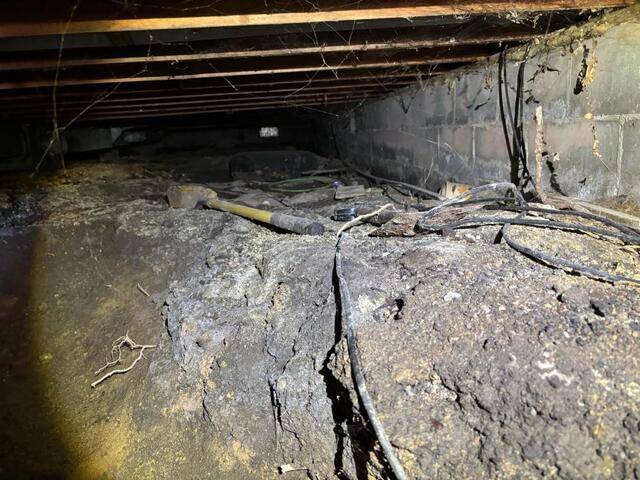
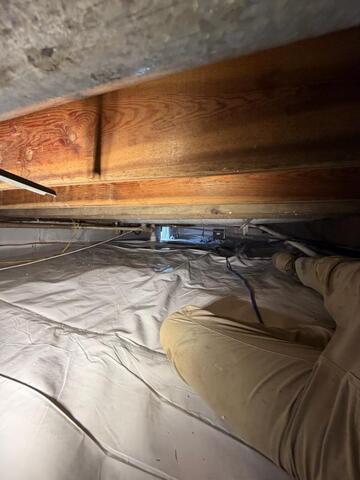
As a homeowner, it is easy to adopt an "out of sight, out of mind" mentality when it comes to your crawl space. However, the air beneath your feet plays a massive role in the health, comfort, and safety of your entire house. Thanks to a natural scientific principle called the stack effect, air from your crawl space is continuously pulled upward into your living areas. If that air is damp and filled with mold spores, your home’s air quality and structural integrity will pay the price.
If you suspect your lower level is harboring unwanted humidity, keep an eye out for these five common warning signs.
Persistent Musty Odors
If you notice a distinct, earthy smell every time you walk into your living room or open a closet door, the culprit is likely beneath your floorboards. High humidity levels create a breeding ground for mold and mildew on exposed dirt and wood. These organisms release microbial volatile organic compounds (mVOCs), which filter up into your living spaces, leaving behind a stubborn scent that candles and air fresheners simply cannot hide.
High Indoor Humidity and Soaring Energy Bills
Are you constantly cranking down the air conditioner because your home feels sticky and uncomfortable? Damp air holds heat much more effectively than dry air, forcing your HVAC system to work twice as hard to maintain a comfortable temperature. If your crawl space isn’t properly sealed against outdoor air, you are essentially paying to cool the outdoor humidity filtering through your floorboards.
Buckling or Soft Flooring
When moisture builds up in an unsealed crawl space, the exposed wooden floor joists absorb that dampness like a sponge. Over time, this constant moisture exposure causes the wood to warp, twist, and rot. On the upper level, this presents itself as spongy, soft spots in your walkways or hardwood floors that begin to cup, buckle, and separate.
Pest Infestations
Insects and rodents love dark, damp, and undisturbed environments. Standing water, condensation on pipes, and wet soil create a paradise for termites, carpenter ants, mice, and rats. Once these pests establish a colony in your crawl space, it is only a matter of time before they chew through structural wood and find a way into your pantry.
Condensation on HVAC Ducts and Pipes
When warm, humid summer air enters a cool crawl space through traditional foundation vents, it hits a "dew point" on cold surfaces. If you peek into your crawl space and notice water droplets pooling on your metal air ducts or plumbing lines, you are looking at active condensation. This dripping water keeps the crawl space permanently damp, accelerating wood rot and mold growth.
The Permanent Solution: Full Encapsulation
The old-school method of using foundation vents to dry out a crawl space actually makes moisture problems worse during humid Midwestern summers. The modern, permanent solution is to isolate your home completely from the earth.
Our team approaches crawl space moisture head-on with a comprehensive encapsulation process. First, we install thermal TerraBlock™ insulation to cushion the floor and provide a thermal break. Next, we line the dirt floor and walls with a heavy-duty, puncture-resistant CleanSpace® vapor barrier to stop earth moisture from evaporating into the space.
To manage any potential water intrusion, specialized drainage matting routes water underneath the liner straight to a high-capacity SmartSump™ sump pump system. Finally, we install an energy-efficient SaniDry™ Sedona dehumidifier to automatically monitor and maintain a healthy, low relative humidity level.
The Result: By turning a wet, dirty crawl space into a clean, dry, conditioned environment, you protect your structural wood framing, lower your monthly energy costs, and ensure your family breathes cleaner air every day.