Basement Waterproofing in Waterloo, IA
Challenge
This technical evaluation addresses a residential substructure characterized by advanced hydrostatic pressure and localized microbial proliferation. The primary objective was to transition the environment from a compromised, high-humidity state to a controlled, dry-occupancy standard through the integration of a multi-tiered hydraulic management system. During the initial diagnostic phase, our System Design Specialist identified several critical vulnerabilities, including persistent lateral water migration through the foundation footings and elevated relative humidity levels that encouraged fungal growth on organic substrates. Furthermore, it was determined that the existing drainage measures were insufficient to manage peak flow periods, posing a significant risk to the structural integrity of the property during heavy precipitation.
Solution
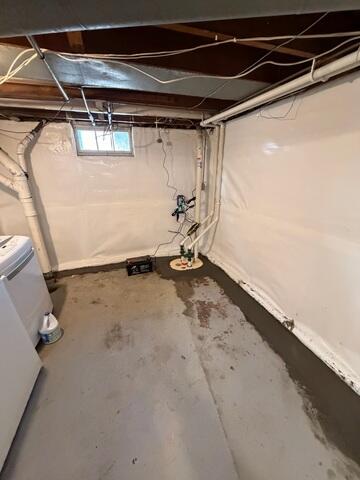
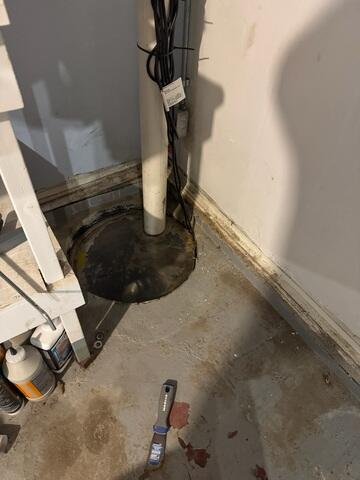
To mitigate these risks, MidAmerica Basement Systems implemented a high-performance waterproofing protocol centered on three primary engineering components. First, we installed the TripleSafe Sump Pump system, which utilizes a redundant configuration of two high-output AC pumps and a battery-operated backup to ensure continuous discharge capacity during mechanical or power failures. This was integrated with a WaterGuard sub-floor drainage conduit, engineered to intercept seepage at the wall-floor joint and direct it to the pump station without the risk of soil-based occlusion. Finally, a CleanSpace vapor barrier was mechanically fastened to the foundation walls. This 20-mil reinforced polyethylene liner serves as a permanent vapor retarder, decoupling the basement atmosphere from moisture-laden masonry and preventing future microbial colonization.
The production phase was executed with high-precision grading and mechanical installation to ensure optimal flow rates and system longevity. Post-installation analysis confirms the total elimination of standing water and active seepage, alongside a significant reduction in ambient humidity. By successfully stabilizing the structure and improving the internal air quality, this intervention has protected the home's assets and converted a previously compromised area into a dry, thermally stable environment. This project stands as a successful application of integrated waterproofing technologies to halt environmental degradation.